
Factors That Determine Pricing and Value of Paint Protection Film: A Buying Guide
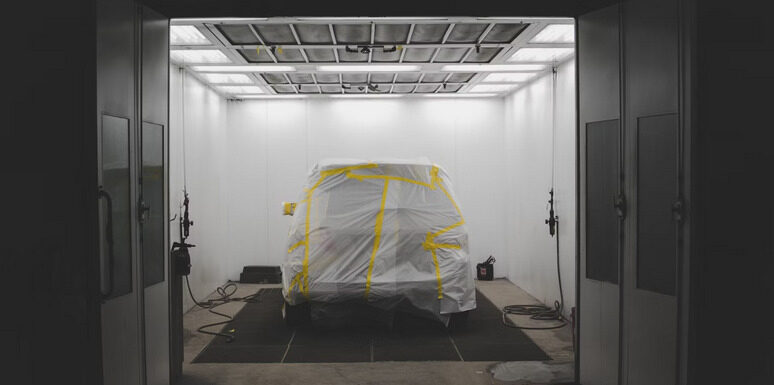
Can you imagine your car without paint protection film? Well, it would not be a pretty sight. You’ll be seeing lots of scratches, chips, and other damages that could significantly decrease the value of your vehicle. This is where pain protection film comes in. It basically acts as a solid barrier between your car’s paint and any potential damage, keeping your vehicle looking like new.
It’s also common to see PPF with price tags that can go beyond hundreds or even thousands of dollars. You may be wondering what’s behind this whopping number. Today, we’ll show you that those pricey paint protection films aren’t just a marketing gimmick or branding power. We’ll show you how they really work and will protect your car.
Quality of Film
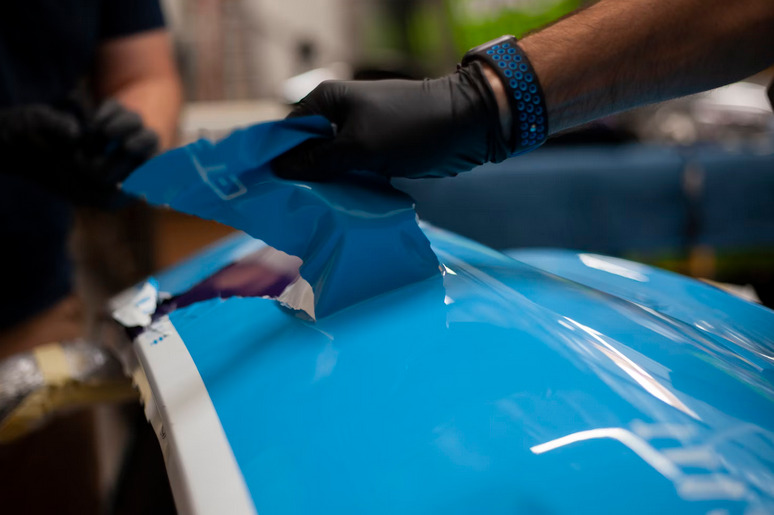
Quality is paramount, just like in everything. The durability and effectiveness of the film depend on the materials used in its construction. Opt for a high-quality film that offers superior protection against scratches, chips, and environmental damage. Look for a film that is resistant to yellowing and can withstand harsh weather conditions without deteriorating. A premium quality film will maintain its clarity and protective properties over time, ensuring long-lasting protection for your vehicle’s paintwork.
Thickness of Film
The logic is simple. Thicker films mean higher production costs, which ultimately lead to higher price tags. But why? Thicker films tend to offer better resistance against scratches, impacts, and other potential damages that your vehicle may encounter on the road. A thicker film provides a stronger barrier between your car’s paint and external elements like stones, debris, or even harsh weather conditions.
The added layer of protection can help maintain the appearance of your vehicle for longer periods, ultimately preserving its resale value. While thinner films may be more affordable upfront, they might not offer the same level of long-term protection as thicker options. Investing in a thicker paint protection film can save you money in the long run by reducing the need for frequent repairs or repaints due to damages.
Advanced Features
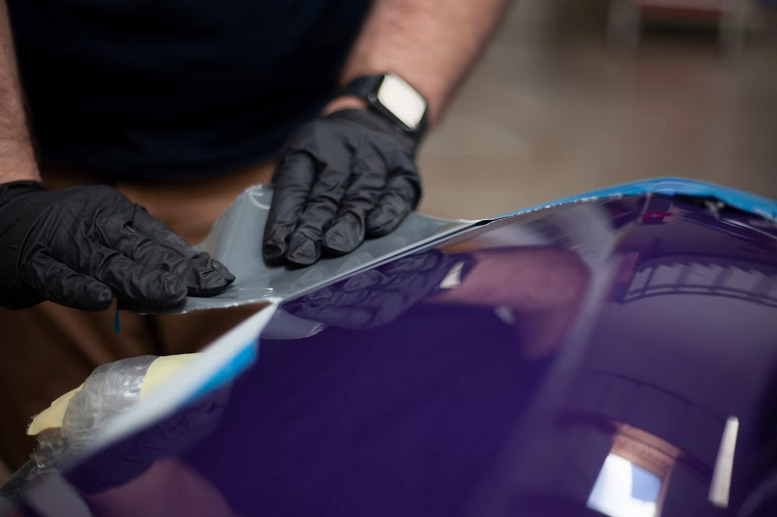
Many paint protection films also offer advanced features that really help. These features go beyond the basic functions of protecting your vehicle’s paint from minor scratches and chips. Advanced films may offer self-healing properties, meaning minor scratches can disappear with the application of heat or sunlight. Some films are designed to be hydrophobic, repelling water and making cleaning a breeze. Others have UV-resistant coatings to prevent yellowing over time.
Additionally, advanced films may come with enhanced clarity for an almost invisible appearance once applied. Some even have anti-contamination technology to resist stains and dirt buildup. These innovative features not only enhance the performance of the film but also add value by providing long-lasting protection for your vehicle’s paint job.
Brand Reputation
Customers often trust brands that have been in the market for a long time and have built a positive reputation among consumers. These brands invest in research and development to ensure that their products meet high standards. Furthermore, reputable brands usually provide excellent customer service and support, which can be crucial when it comes to purchasing and installing paint protection film. They are more likely to stand behind their products with warranties and guarantees, giving buyers peace of mind.
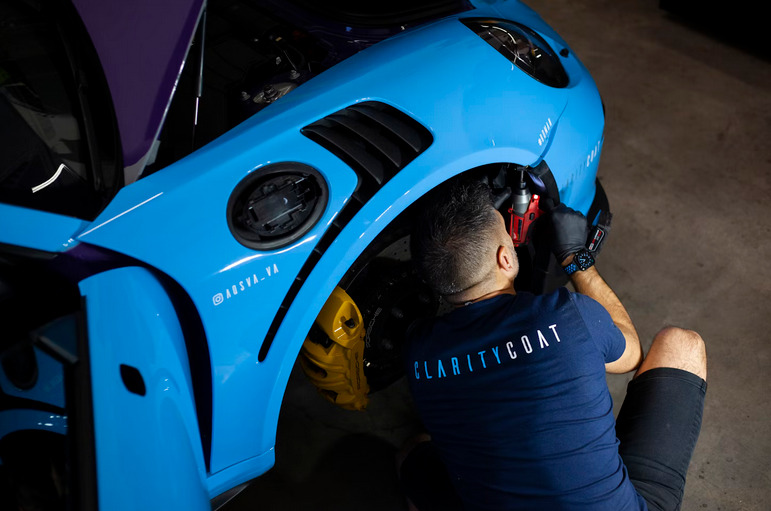
But, one aspect that cannot be overlooked is the importance of professional installation. While some may attempt a DIY approach to save on costs, investing in professional installation ensures that the paint protection film is applied correctly and efficiently. This not only guarantees optimal performance but also extends the lifespan of your vehicle’s exterior.
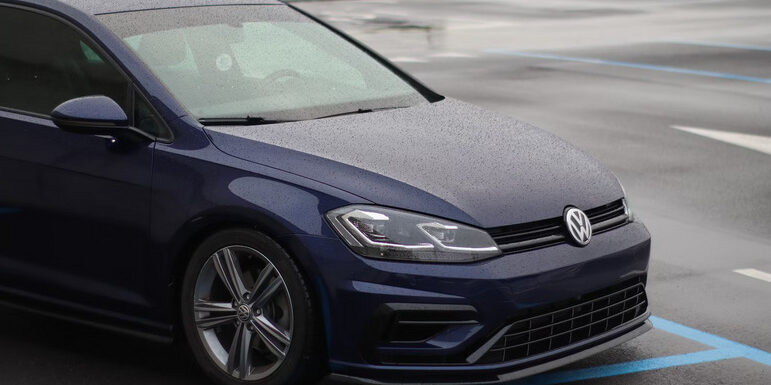
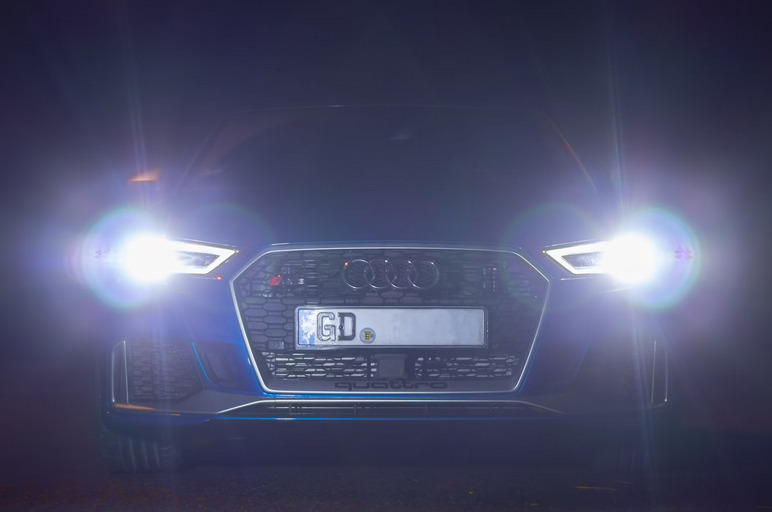
 Decals and vinyl wraps are a fantastic way to give your car a unique and eye-catching look. With endless design options, you can truly personalize your ride and make it stand out. One of the great things about decals and vinyl wraps is their versatility. Whether you want to add racing stripes, flames, or even a full-body graphic, there’s no limit to what you can do. Plus, they’re easy to apply and remove, so you can change up your look whenever you feel like it. Not only do decals and vinyl wraps enhance the appearance of your vehicle, but they also provide an added layer of protection for the original paintwork underneath. This means that not only will your car turn heads with its stunning design, but it will also stay looking as good as new for longer.
 The first cause of windshield wiper damage is debris accumulation. During normal use, small pieces of dirt and dust can accumulate on the surface of the rubber blades, causing them to become stiffer and less effective over time. This can cause streaks to appear on your windshield during rain or snow, reducing visibility and potentially affecting your ability to drive safely. To avoid this problem, it is essential to clean your windshield wipers regularly. You can do this by using a microfiber cloth and warm water. Many car owners do this to prevent their windshield wipers from becoming damaged.
 The third cause of windshield wiper damage is poor maintenance. This can be caused by various factors, including not cleaning them regularly or using the wrong type of wiper fluid. It is important to ensure that you clean your blades regularly and replace any worn ones as soon as possible. Additionally, you should check the instructions on your wiper blade cleaner solution and ensure that you use the correct type of fluid for your car. This will help to ensure that your wiper blades are in proper working condition and can provide you with maximum visibility during rainy or snowy conditions. If your wiper blades are not performing as well as they should be, other issues may need to be addressed.
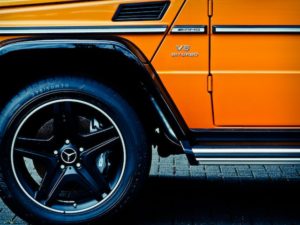 Car rims are available in various materials, including steel, aluminum alloy, chrome-plated steel, and magnesium alloy. Steel is the most common material used for car rims and provides a good balance of strength, weight, durability, and affordability. Aluminum alloy is lighter and stronger than steel but is more expensive. Chrome-plated steel gives the rim a shiny finish but is susceptible to rust over time. Magnesium alloy rims are the lightest and strongest but also the most expensive.
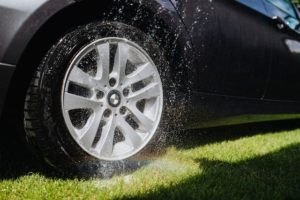 When selecting rims for your car, there are several factors to consider beyond size. Be sure to look at the offset or backspacing of the rims, which will determine how close they sit to the fender of your car. Additionally, you should ensure that the rim’s bolt pattern is compatible with your vehicle. Finally, consider the style of the rim you prefer.
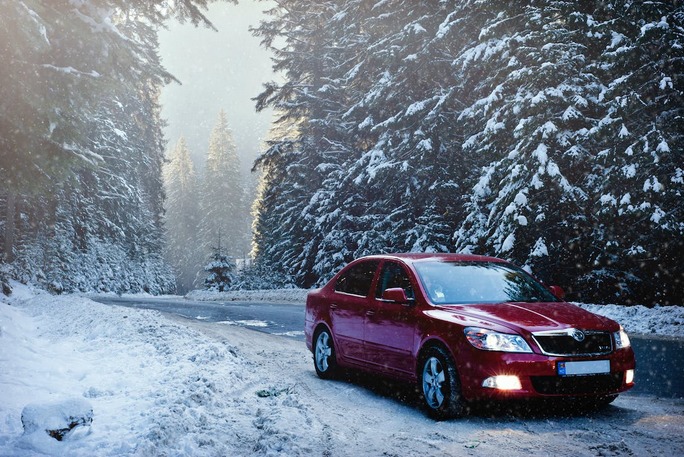 If you’re a car guy living in a cold climate, then you know that one of the worst things for your car is ice. It’s not just the fact that it can make your car look bad, but it can also cause serious damage to your paint. Ice can chip away at your paint and even cause rust. So if you’re driving in freezing temperatures, take care of your car and avoid any ice buildup. A pro tip: use a hair dryer to melt any ice on your car before driving.
 Another everyday thing that can damage your paint is dust. Dust can scratch your paint if it’s left there for too long. And if you live in a dusty area, you know it’s impossible to avoid. The best way to deal with this is to wash your car regularly and dry it off completely. You should also wax your car to create a barrier between the dust and your paint.