
How Engine Performance Impacts Mileage
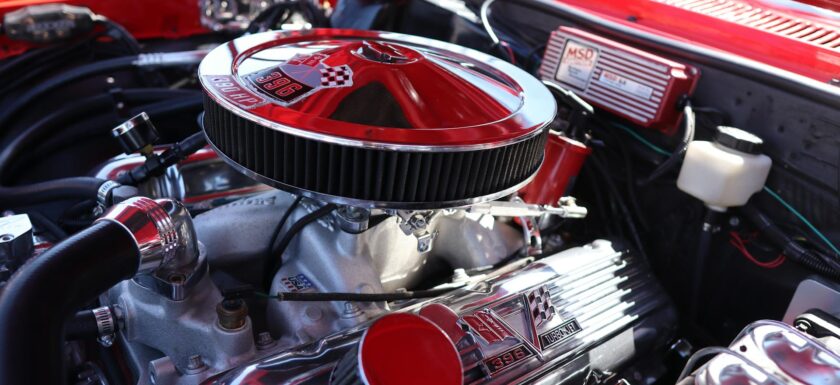
Engine performance plays a critical role in a vehicle’s fuel efficiency. Many drivers focus on driving habits or tire pressure to save fuel, but the engine itself often has the largest impact. Understanding how engine health, tuning, and efficiency affect mileage can help drivers reduce fuel costs and maintain their cars better. Proper attention to engine performance improves not only fuel consumption but also overall vehicle longevity.
Engine Efficiency Matters
A well-maintained engine burns fuel more efficiently. When combustion is complete, energy is converted into motion rather than wasted as heat or unburned fuel. Poor engine efficiency can result from worn components, clogged filters, or poor tuning. Efficient engines ensure that fuel use aligns with power output, improving miles per gallon. Even minor inefficiencies can significantly reduce mileage over time.
Role of Air-Fuel Mixture
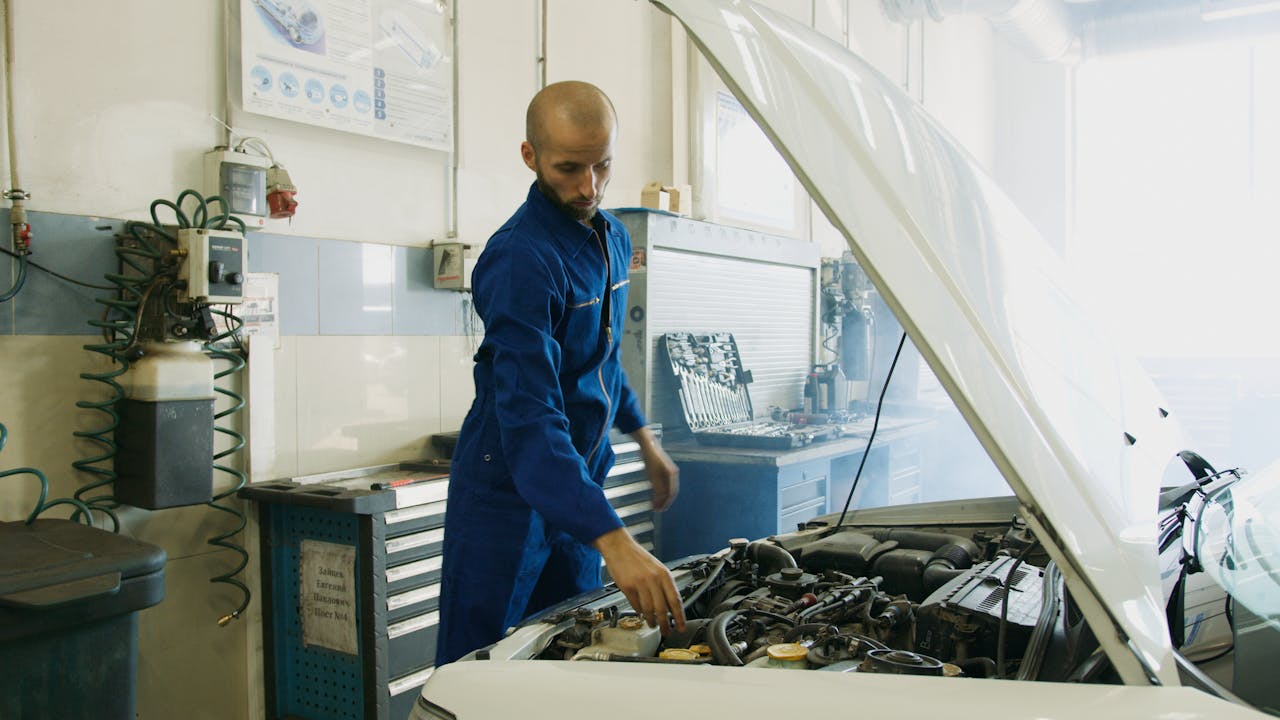
The balance between air and fuel entering the engine affects performance and fuel economy. Engines running too rich consume extra fuel without producing additional power. Lean mixtures can increase mileage but may strain the engine and cause damage. Modern vehicles use sensors and technology to optimize the air-fuel ratio, but older engines or poorly maintained vehicles can experience imbalances that reduce efficiency.
Impact of Engine Timing
Engine timing controls when fuel ignites in the combustion chamber. Proper timing ensures maximum energy from each combustion cycle. Incorrect timing can lead to incomplete combustion, wasted fuel, and decreased mileage. Regular maintenance, including checking spark plugs and timing components, helps maintain optimal engine performance and fuel efficiency.
Importance of Regular Maintenance
Routine engine maintenance directly influences fuel consumption. Oil changes, air filter replacements, and fuel system cleaning keep the engine running smoothly. Dirty or worn components increase friction and reduce combustion efficiency. Scheduled maintenance ensures the engine operates at its best, maximizing mileage while preventing costly repairs.
Effect of Engine Load and Driving Conditions
The engine’s workload impacts fuel efficiency. Heavy loads, steep inclines, or stop-and-go traffic require more energy, increasing fuel consumption. Engines that perform optimally under different loads handle these situations more efficiently. Understanding how driving conditions interact with engine performance helps drivers adjust habits to save fuel.
Influence of Engine Design and Technology
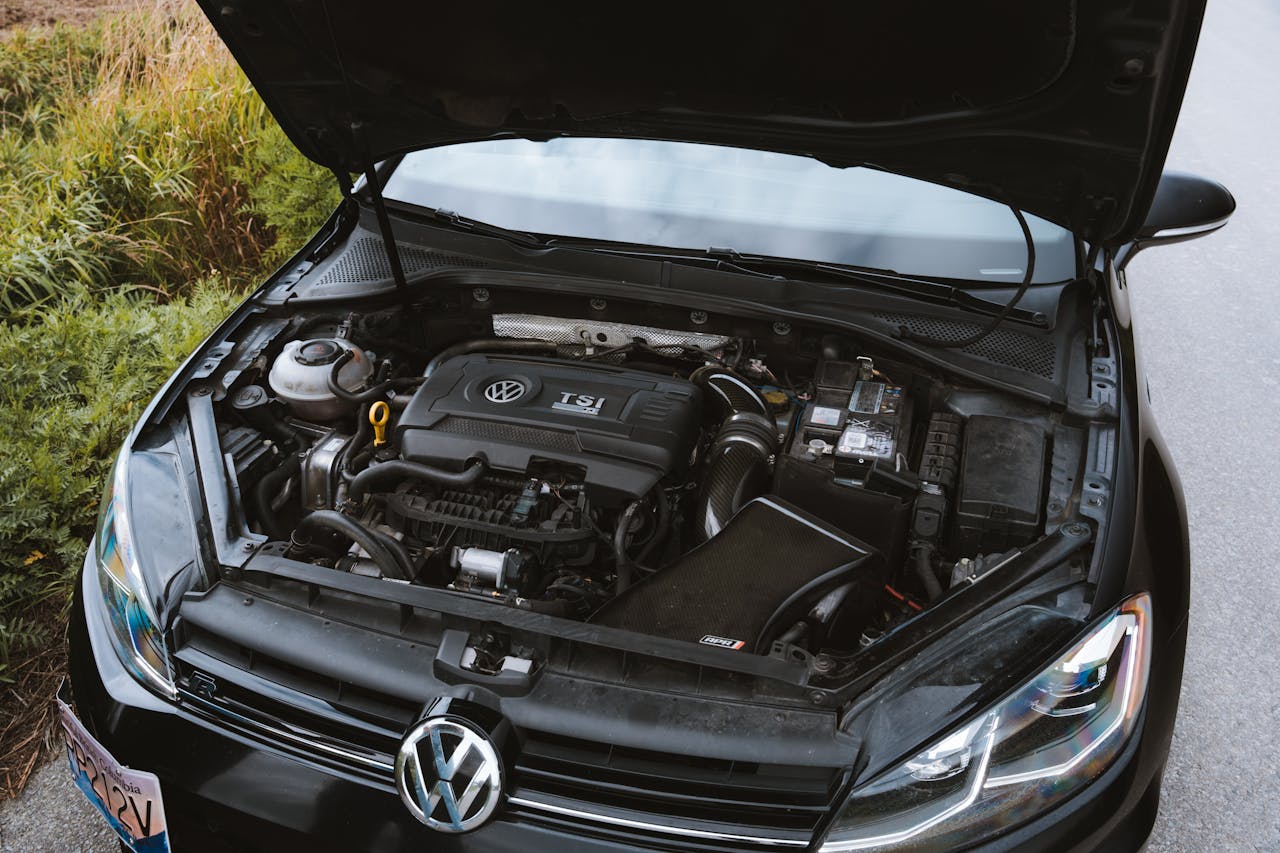
Modern engine technologies such as turbocharging, direct fuel injection, and variable valve timing improve performance without sacrificing fuel efficiency. These advancements allow smaller engines to produce more power while using less fuel. Choosing a vehicle with the latest engine technology can provide better mileage compared to older models with less efficient designs.
Engine Health and Longevity
Neglecting engine health reduces both performance and mileage. Worn-out pistons, rings, or valves increase friction and reduce combustion efficiency. Over time, poor engine performance causes more frequent refueling and higher maintenance costs. Ensuring engine health through regular inspections and timely repairs preserves fuel efficiency and extends the vehicle’s lifespan.
Driving Tips to Complement Engine Performance
Even with a well-maintained engine, driving habits affect fuel consumption. Smooth acceleration, maintaining steady speeds, and avoiding excessive idling reduce unnecessary engine load. Keeping the engine in the optimal RPM range and using appropriate gears for speed ensures that fuel is used efficiently. Combining these habits with engine care creates the most significant impact on mileage.
Engine performance is a key factor in determining a vehicle’s fuel efficiency. From combustion efficiency to timing, air-fuel mixture, and overall maintenance, each aspect influences mileage. Modern engine technology provides tools to maximize fuel economy, but regular maintenance and mindful driving habits are equally important. By paying attention to engine performance, drivers can enjoy better fuel efficiency, reduced costs, and a longer-lasting vehicle.